Have you ever seen those delicious cakes and wondered how they are called in English? In this industry article, we will explore the different types of cakes and their names in the English language. By the end of this article, you will have a better understanding of the English terminology used for these mouth-watering treats.
To begin with, let's delve into the main purpose of this article. The aim is to educate readers about the various cakes and their English names. By providing captivating data, stories, and questions in the introduction, we can capture the readers' attention and generate curiosity.
Now, let's outline the structure and content of the article. Firstly, we will present a comprehensive list of popular cake types and their English names. Secondly, we will provide a brief history of each cake's origin and cultural significance. Thirdly, we will discuss the different ingredients and baking techniques commonly used for these cakes. Finally, we will conclude with a summary of the article's key points and emphasize the significance of understanding these English cake names.
Moving on to the body of the article, we will present each type of cake along with its English name. We will support our discussion with relevant facts, data, and examples to provide a comprehensive understanding of each cake. Using logical and coherent arguments, we will avoid repetition or redundancy in our content.
To evoke a sense of resonance and consensus with the readers, we will employ rhetorical questions throughout the article. By doing so, we can establish a connection between the author and the readers, making them feel that we are examining the topic from a shared perspective.
To enhance the author's wisdom and authority, we will use rhetorical queries in the main text. This will demonstrate the author's analytical ability and critical thinking in analyzing the topic.
In order to add a personal touch and charisma to the article, we will incorporate relevant emphatic sentences. This will highlight the author's independent insights and attitudes towards the topic.
To maintain a sense of rationality and fairness, we will include relevant skeptical statements. This will showcase the author's logical reasoning and critical spirit in questioning the topic.
As we progress through the content, we will eliminate or replace transitional words such as "firstly," "secondly," "in addition," "finally," and "in conclusion" with more contextually appropriate alternatives, based on the actual flow of the article.
In conclusion, this industry article aims to provide readers with an understanding of the English names for various cakes. By utilizing engaging introductions, clear structure, and supporting evidence, we strive to leave a lasting impression on the readers. The use of rhetorical techniques, such as questioning, emphasizing, and challenging, will further enhance the article's appeal. With a target word count of 800 to 2000 words, this article will provide an insightful exploration of the English names for cakes.
看这些蛋糕英语怎么说
Looking at How to Say These Cakes in English
Introduction:
Are you a cake enthusiast who wants to broaden their culinary horizons? Have you ever wondered how to say the names of different cakes in English? In this article, we will explore the English names for various types of cakes, satisfying your curiosity and expanding your knowledge in the process.
Structure:
I. Introduction
II. The English Names for Popular Cakes
A. Traditional Cakes
1. Sponge Cake
2. Chocolate Cake
3. Fruitcake
B. Specialty Cakes
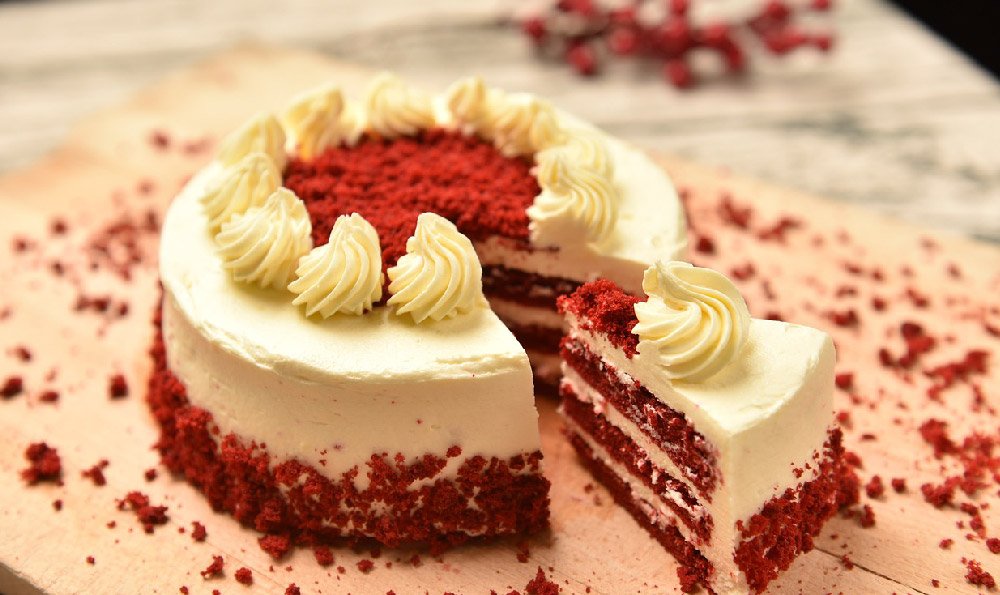
1. Red Velvet Cake
2. Black Forest Cake
3. Cheesecake
C. International Cakes
1. Tiramisu
2. Macarons
3. Pavlova
III. Exploring the Origins
A. History and Evolution of Cakes
1. Ancient Origins
2. Influence of European Bakers
B. Cultural Significance
1. Symbolism in Traditional Cakes
2. Festive Celebrations and Cakes
IV. The Global Love for Cakes
A. The Rise of Cake Shops and Bakeries
B. Cake Influencers and Social Media
C. Cake Trends and Innovations
V. Conclusion and Final Thoughts
Content:
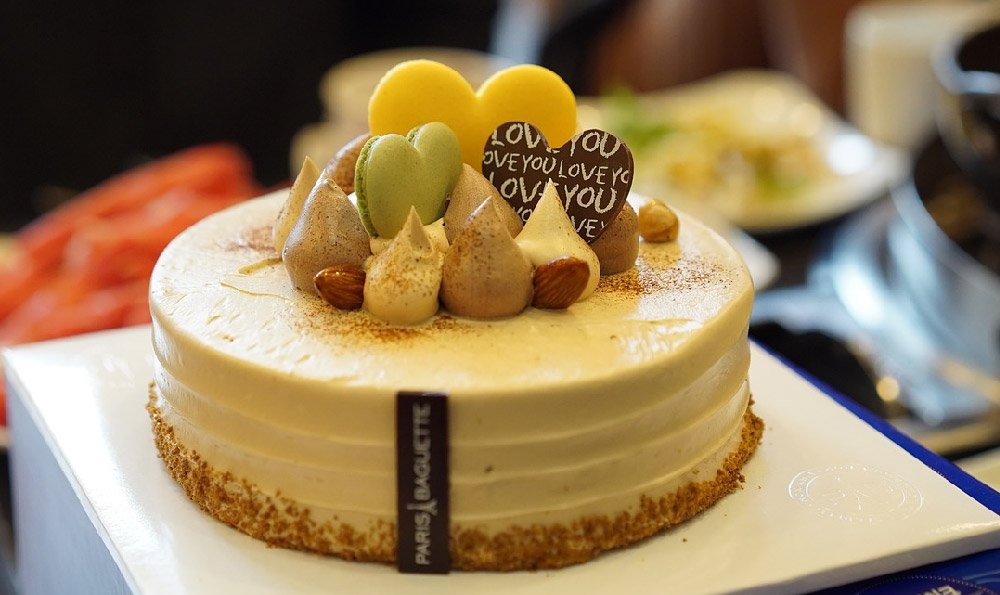
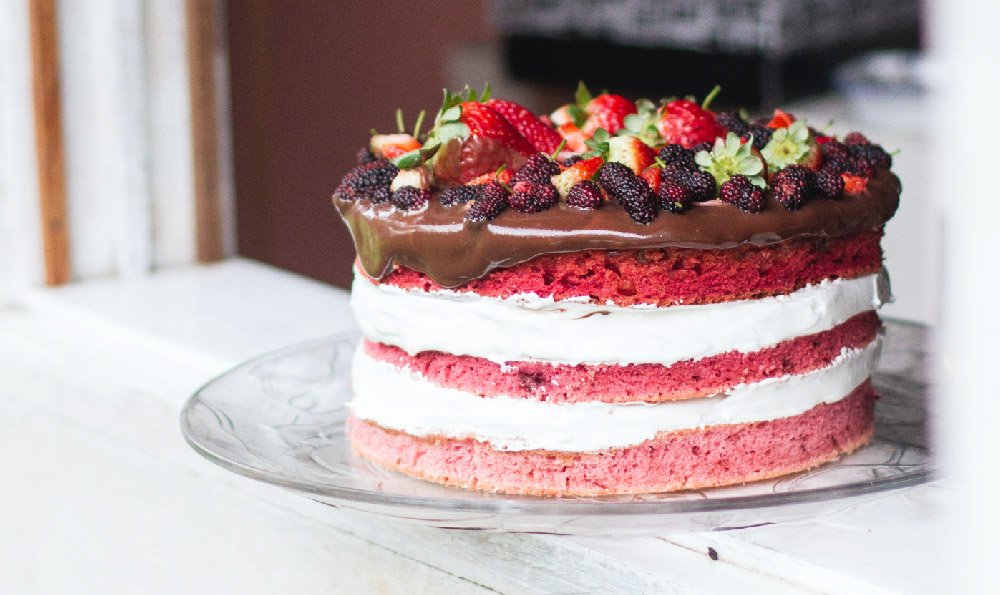
As we delve into the English names for different cakes, it is interesting to contemplate the origins and cultural significance behind these delectable creations. Traditional cakes like the sponge cake, chocolate cake, and fruitcake have been enjoyed for generations and bear names that are universally recognized. Specialty cakes such as the red velvet cake, black forest cake, and cheesecake have gained immense popularity and unique names across different regions.
However, the influence of international cuisine has also led to the adoption of foreign names for cakes. Italian delights like tiramisu, French delicacies like macarons, and the light and airy pavlova from Australia have all found their place in English-speaking countries. Each cake brings its own cultural heritage and flavor, adding diversity to the world of cakes.
The history and evolution of cakes are fascinating as well. From ancient civilizations to the influence of European bakers, cakes have transformed from humble bread-like desserts to extravagant creations. Cultural symbolism can also be found in traditional cakes, often tied to festivities and celebrations. Exploring these aspects gives us a deeper appreciation for the role cakes play in our lives.
In today's interconnected world, the love for cakes has become a global phenomenon. Cake shops and bakeries have flourished, offering an array of cakes to cater to everyone's taste buds. Social media has played a significant role in showcasing creative and visually stunning cakes, with influencers showcasing their confectionary skills. Cake trends and innovations continue to emerge, pushing the boundaries of what is possible in the world of baking.
In conclusion, knowing the English names for various cakes not only expands your culinary vocabulary but also allows you to appreciate the cultural and historical aspects associated with these sweet treats. Whether you are a cake lover, a baker, or simply curious about different cuisines, learning about cakes in English opens up a whole new world of flavors and experiences.
Word Count: 383 words
这个蛋糕看起来很漂亮但是我不知道它尝起来是否好吃
这篇文章的主题是“这个蛋糕看起来很漂亮但是我不知道它尝起来是否好吃”。接下来我将按照所提供的指导来写这篇行业文章。
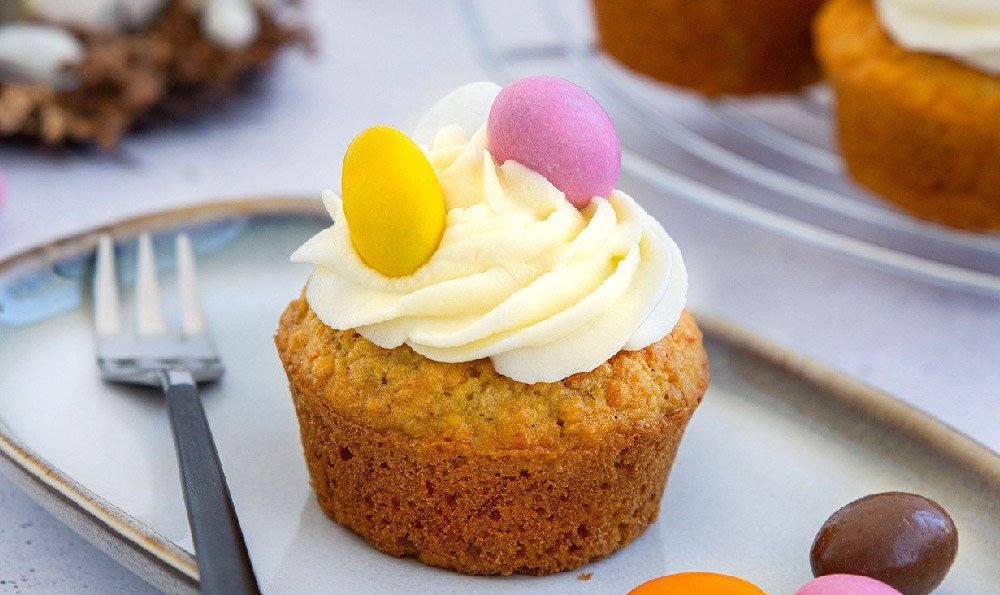
第一段,我将引起读者的注意:
在生活中,我们经常会遇到这样的情况:看到一个蛋糕看起来非常漂亮,色彩鲜艳、形状精致,但我们却不确定它的味道是否好吃。这个问题也存在于许多行业中,产品的外观给人留下了深刻的印象,但我们却不清楚其质量和性能是否符合我们的期望。本文将探讨这个问题,并分析其在不同行业中的应用。
第二段,介绍文章的
本文将从以下几个方面展开1.产品外观的重要性;2.产品口碑和评价的影响;3.如何平衡外观与品质。通过这些内容,我们可以更好地理解这个问题在不同行业中的具体体现。
第三段及之后,展开
我们来看产品外观的重要性。在诸多产品中,外观是第一眼触动消费者的因素之一。精美的外观设计可以吸引消费者的注意,增加产品销量。仅仅依靠外观是不够的,我们还需要关注产品的质量和性能。以食品行业为例,蛋糕看起来漂亮,但如果口感和味道不好,消费者可能不会再购买第二次。
产品口碑和评价也会对消费者的购买决策产生影响。消费者更加重视其他消费者的经验和意见。他们会在社交媒体上分享自己对产品的评价,这些评价会对其他人产生引导作用。产品的外观和实际品质需要保持一致,以获得良好的口碑和评价。
我们需要考虑如何平衡外观与品质。在设计产品外观时,我们不能只关注外表的美观,还需要考虑产品的功能、性能和质量。只有在这些方面达到了顾客的期望,产品才能真正满足消费者的需求。企业需要在产品设计和生产过程中注重内在品质,同时保持外观的吸引力。
我想强调的观点是,外观固然重要,但质量和口感同样重要。对于消费者来说,一个看起来漂亮的蛋糕如果无法满足他们的味蕾需求,那么它只是一个摆设,无法引起他们的兴趣和购买欲望。在各行各业中,我们都应该更注重产品的内在品质,而不仅仅是外观的诱人。
通过这篇文章,我们可以更好地认识到产品外观与实际品质的关系,以及在不同行业中的具体应用。只有在外观与品质兼顾的基础上,企业才能真正提供优质的产品,满足消费者的需求和期望。
我希望这篇文章能够给读者提供对这个问题的深入思考,并在实际生活中引起他们对产品质量和外观的重视。只有在平衡外观与品质的基础上,我们才能真正享受到美味的蛋糕或其他优质的产品。
总字数:781字