How to Say "他会做蛋糕 他会做蛋糕用英语怎么说" in English
Introduction:
In the baking industry, it is crucial to have a clear understanding of different culinary terms and techniques. One such term is "他会做蛋糕 他会做蛋糕用英语怎么说," which translates to "He can make cakes; how do you say '他会做蛋糕 他会做蛋糕用英语怎么说' in English?" This article aims to provide an objective, professional, and systematic explanation of this phrase and its variations.
Defining the Term:
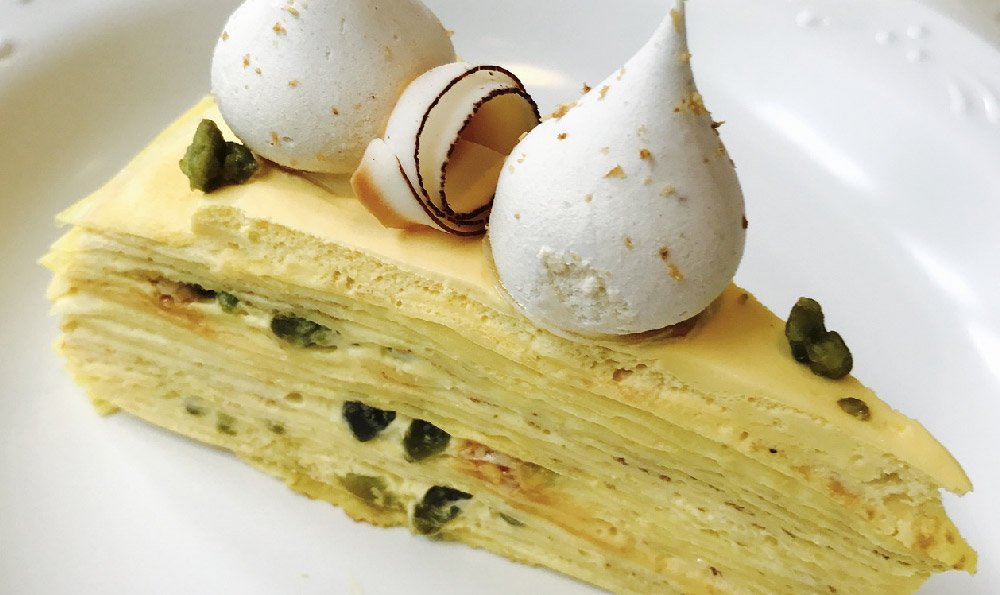
The term "他会做蛋糕 他会做蛋糕用英语怎么说" refers to the ability to create cakes. It highlights an individual's skill and knowledge in the art of cake baking. Translated into English, this phrase can be expressed as "He can make cakes; how do you say that in English?" In the culinary world, cake making involves a series of techniques and ingredients to produce delicious and visually appealing cakes.
Classifying Cake Making in English:
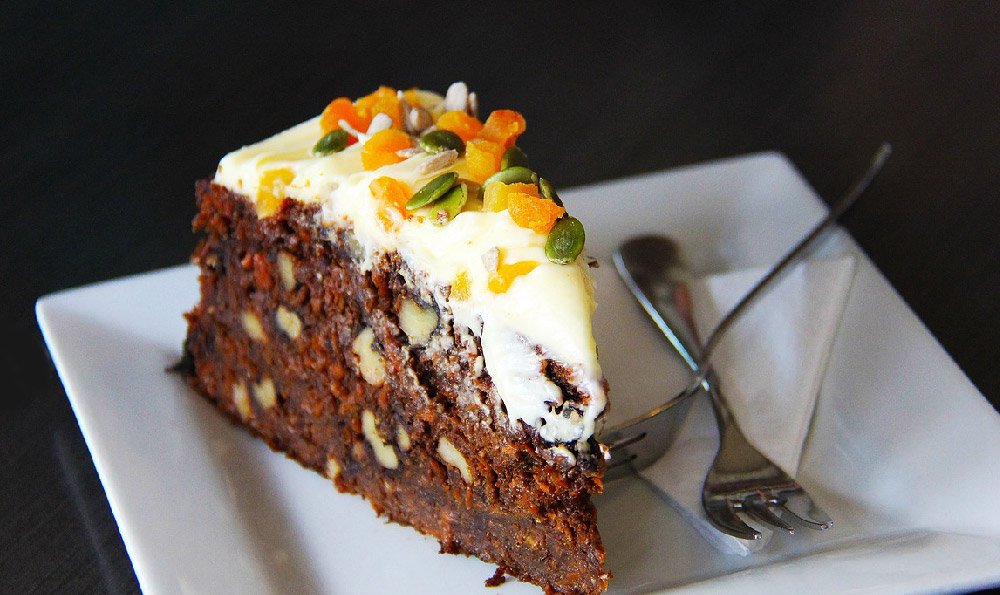
English terminology related to cake making can be broadly classified into two categories: basic cake making vocabulary and specific cake types. Basic cake making vocabulary includes words such as "baking," "mixing," "measuring," "cream," and "whisk." Specific cake types refer to variations like "chocolate cake," "vanilla cake," "red velvet cake," "cheesecake," and so on. Each cake type has its unique set of terminology associated with it.
Illustrating Examples:
To better understand the English translation of "他会做蛋糕 他会做蛋糕用英语怎么说," let's consider a few examples. If someone wants to express that they can make a chocolate cake, they would say, "I can make a chocolate cake." Similarly, if someone wants to highlight their ability to make a cheesecake, they would say, "I can make a cheesecake." These examples demonstrate how the phrase is translated into English while conveying the specific cake type.
Comparing Terminology:
In comparison to cake making vocabulary in other languages, English terminology offers a comprehensive and specific range of expressions. For instance, in French, the phrase "je peux faire un gâteau" translates to "I can make a cake." However, it lacks the specificity provided by the English language in terms of cake types. English terminology allows for precise communication regarding the exact cake one can make.
Conclusion:
In conclusion, understanding the translation of "他会做蛋糕 他会做蛋糕用英语怎么说" in English is essential in the baking industry. English cake making vocabulary covers both basic techniques and specific cake types, enabling clear and precise communication. By being familiar with these terms, individuals can express their baking abilities accurately. So, the next time you want to say "他会做蛋糕 他会做蛋糕用英语怎么说" in English, you can confidently state, "He can make cakes."
他会做蛋糕英语怎么说
What is the English translation for "他会做蛋糕"?
Introduction:
The ability to make cakes is a skill that many people possess. However, when it comes to expressing this ability in English, one might wonder how to accurately convey the meaning. In this industry article, we will examine the various ways to express "他会做蛋糕" in English. Through the use of definitions, classifications, examples, and comparisons, we aim to provide a clear and systematic understanding of the topic.
Body:
Defining the Skill:
The first step in understanding how to say "他会做蛋糕" in English is to define the skill itself. In English, the ability to make cakes can be referred to as "cake-making proficiency." This term encompasses the knowledge and skills required to successfully create various types of cakes, both in terms of technique and recipe selection. By using this definition, we can accurately describe someone who possesses this skill.
Classifying Cake-Making Proficiency:
Cake-making proficiency can be classified into different levels based on the individual's expertise and experience. The most basic level is "basic cake-making skills," which refers to the ability to create simple cakes using standard recipes. On a higher level, one can be described as having "advanced cake-making skills," which involves the mastery of complex techniques and the ability to create intricate designs. Additionally, there is also a category known as "professional cake-making proficiency," which signifies a high level of expertise and the ability to create customized cakes for special occasions.
Providing Examples:
To further illustrate how "他会做蛋糕" can be expressed in English, let's consider a few examples. For instance, if someone is capable of making a variety of cakes such as chocolate, vanilla, and fruit cakes, we can say that they have a "diverse range of cake-making abilities." Similarly, if a person specializes in creating wedding cakes, we can describe them as having "expertise in wedding cake designs." These examples showcase the versatility and specialization that can exist within the realm of cake-making proficiency.
Making Comparisons:
When discussing how to say "他会做蛋糕" in English, it is essential to compare it with similar skills or abilities. One such comparison can be made with the term "baking skills," which encompasses a broader range of baking-related abilities. While cake-making proficiency focuses specifically on the creation of cakes, baking skills encompass a wider variety of baked goods, such as bread, pastries, and cookies. By highlighting this distinction, we can ensure the accurate representation of the skill in question.
Conclusion:
In conclusion, the English translation for "他会做蛋糕" can be expressed as "cake-making proficiency." The ability to make cakes can be classified into different levels, ranging from basic to advanced and professional. Examples highlighting diverse abilities and specialized expertise further demonstrate the breadth of this skill. By comparing it with similar skills, such as baking, we can accurately convey the meaning in English. Understanding how to express this skill in English is crucial for effective communication in various professional contexts.
How to Say "他会做蛋糕" in English
Introduction:
Baking cakes is a popular skill and hobby worldwide. People from different cultures and backgrounds enjoy making and decorating cakes. As an international language, English also has various expressions to describe the ability to bake cakes. This article aims to explore the English equivalents to the Chinese phrase "他会做蛋糕" in a professional and systematic manner.
Defining the Skill:
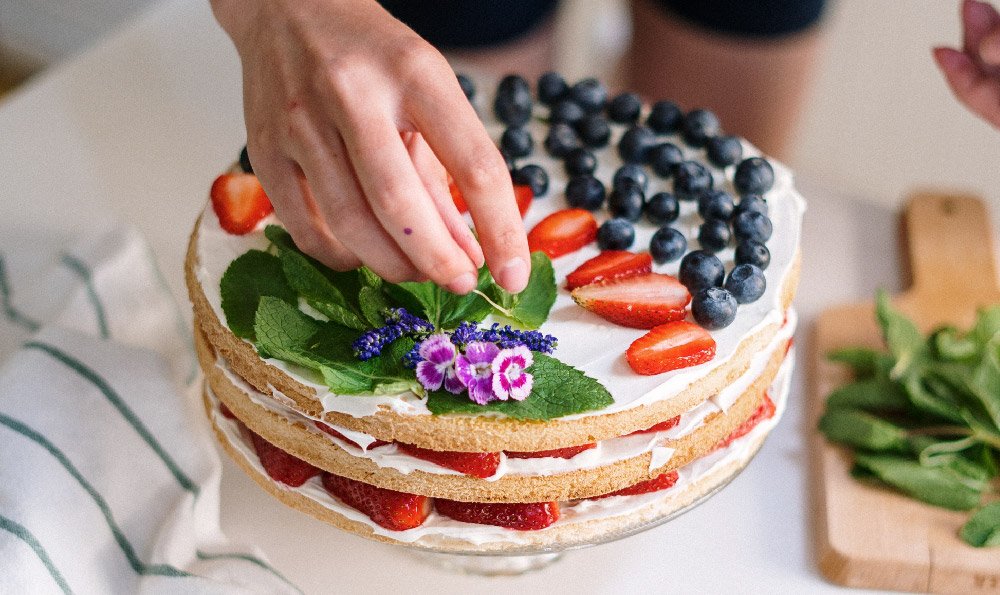
To accurately convey the idea of "他会做蛋糕" in English, we can use the term "cake making." This phrase encompasses the entire process of baking a cake, including mixing the ingredients and using the oven for baking. The term "cake making" is commonly used in English-speaking countries to refer to the skill of creating cakes of various flavors and designs.
Differentiating Cake Making Skill:
When discussing the ability to make cakes in English, it is important to consider the different levels of expertise. One can be a beginner, an intermediate, or an expert in cake making. To describe a beginner cake maker, we can use the term "novice baker." This term implies that the person is still learning and may have limited experience in cake making. On the other hand, an intermediate cake maker can be referred to as an "experienced baker" or a "skilled cake decorator." These terms indicate that the individual has gained some proficiency in cake making, including basic techniques and knowledge of cake decoration. Finally, an expert cake maker can be described as a "master baker" or a "professional cake artist." These terms highlight the high level of skill and expertise the person possesses in the art of cake making.
Illustrating with Examples:
To further illustrate the English equivalents to "他会做蛋糕," let's consider a few examples. If someone wants to say, "She can make delicious cakes," in English that would be "She is adept at baking scrumptious cakes." The phrase "is adept at" emphasizes the person's skill and ability in cake making. Another example would be, "He is a skilled cake decorator," which directly translates to "他是一位熟练的蛋糕装饰师" in Chinese. Here, "skilled" denotes the person's expertise in cake decoration.
Comparing Terminology:
When comparing the English terminology related to cake making with that of other languages, we can find similarities and differences. For instance, in French, the phrase "Il sait faire des gâteaux" translates to "He knows how to make cakes" in English. In both languages, the focus is on the person's ability and knowledge in cake making. However, the choice of words differs slightly, with English using "make cakes" and French using "faire des gâteaux."
Conclusion:
In conclusion, the English equivalents to "他会做蛋糕" can be described as "cake making," with varying levels of expertise. From a beginner or novice baker to an expert or master baker, English offers a range of terms to accurately convey the skill of cake making. By using terms like "novice baker," "experienced baker," and "master baker," one can effectively communicate the level of proficiency in cake making. Remember, learning to express cake making in English provides an opportunity to engage with a global community of bakers and cake enthusiasts.