Did you know that baking a cake is not as complicated as it seems? With the right ingredients and a few simple steps, anyone can make a delicious cake. Baking is a science, and just like any other science, it has its own set of rules. By understanding these rules, you can become a master cake maker in no time.
Part 2: The Importance of Flour
Flour is one of the key ingredients in cake making. It provides structure to the cake and gives it that light and fluffy texture we all love. But not all flours are created equal. There are different types of flour, such as all-purpose flour, cake flour, and bread flour, each with its own unique properties. Knowing which flour to use for different cake recipes is essential for a successful bake.
Part 3: The Magic of Leavening Agents
Have you ever wondered how cakes rise and become fluffy? The secret lies in leavening agents. Baking powder and baking soda are commonly used leavening agents in cake making. They release carbon dioxide gas when combined with moisture and heat, causing the cake to rise. Understanding the right amount of leavening agent to use is crucial to avoid a flat or overinflated cake.
Part 4: The Sweetness of Sugar
Sugar not only adds sweetness to a cake but also plays a crucial role in its structure and texture. It helps to tenderize the gluten in the flour, resulting in a soft and moist cake. Additionally, sugar aids in browning and adds flavor. However, it's important to use the correct amount of sugar to achieve the desired taste without overpowering the other flavors.
Part 5: The Art of Decoration
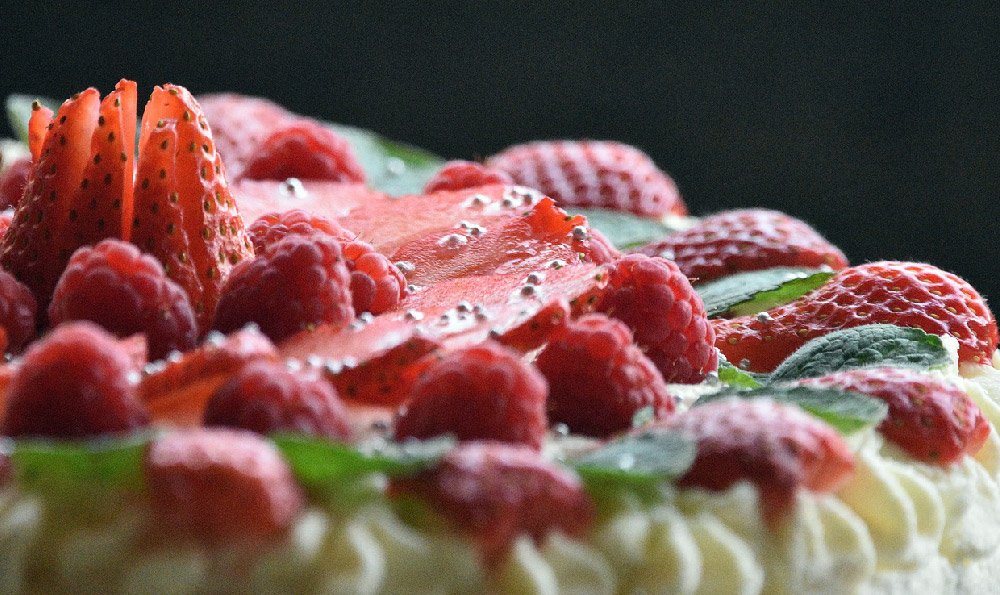
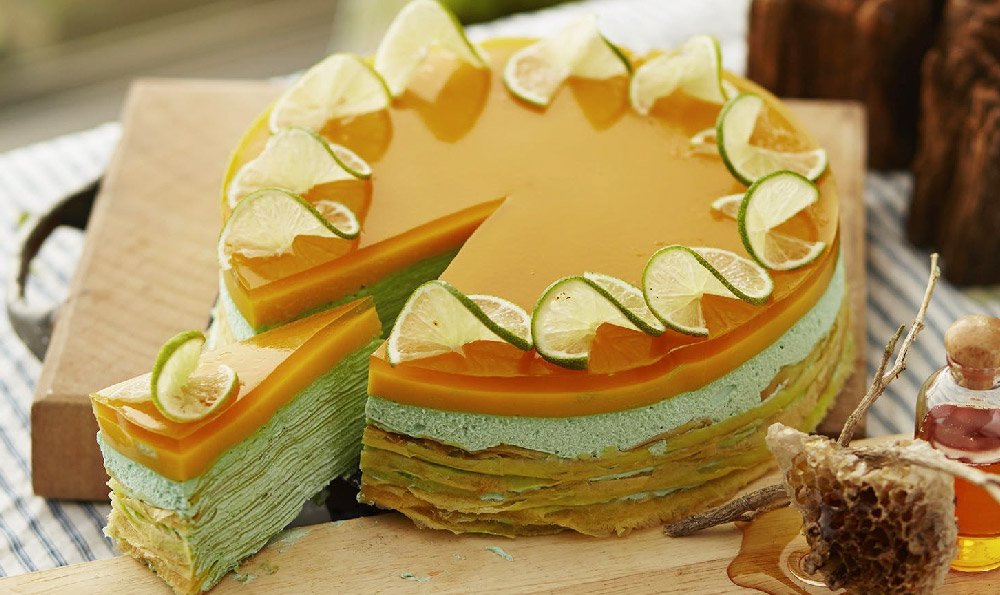
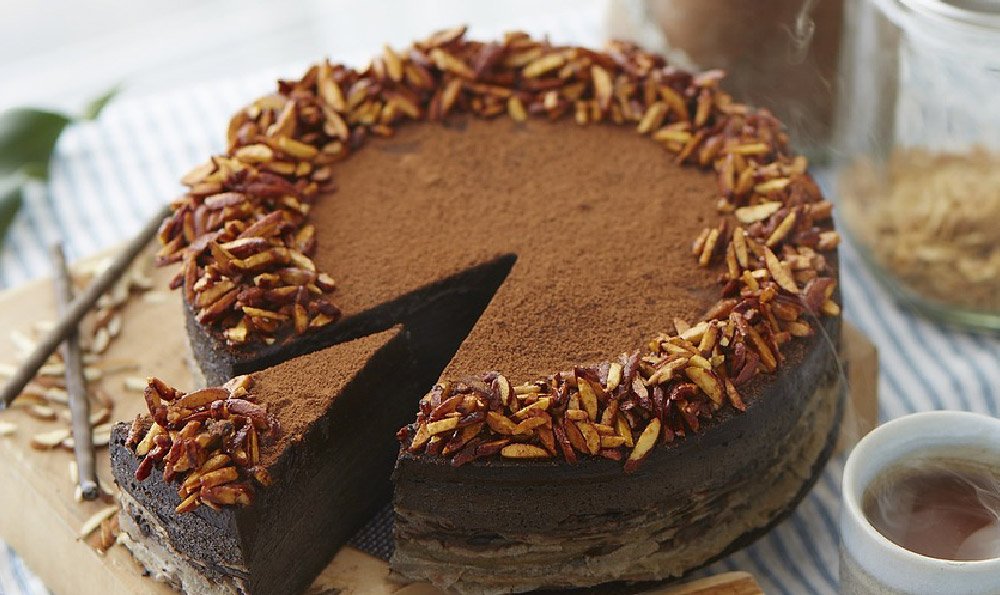
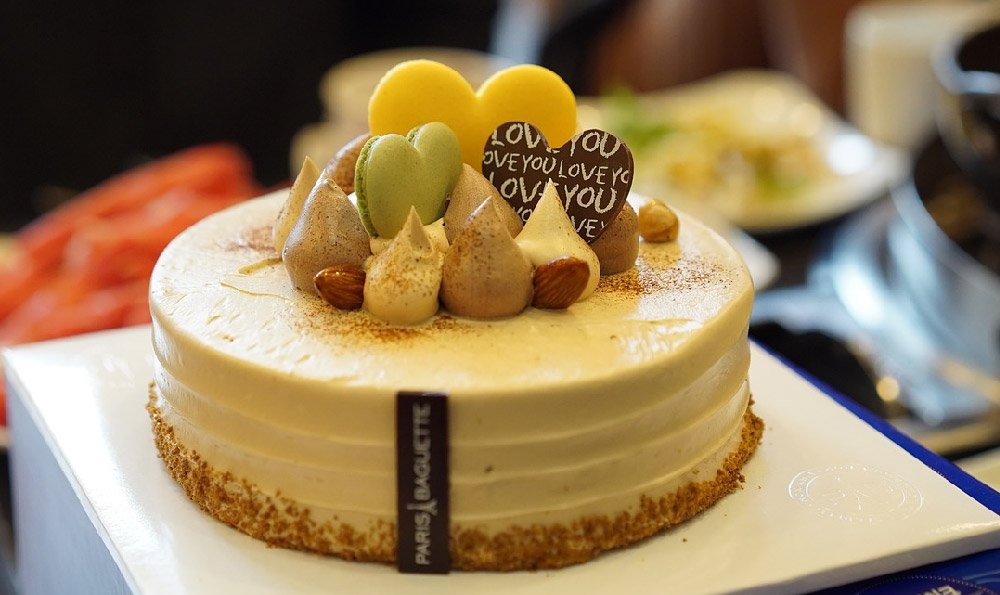
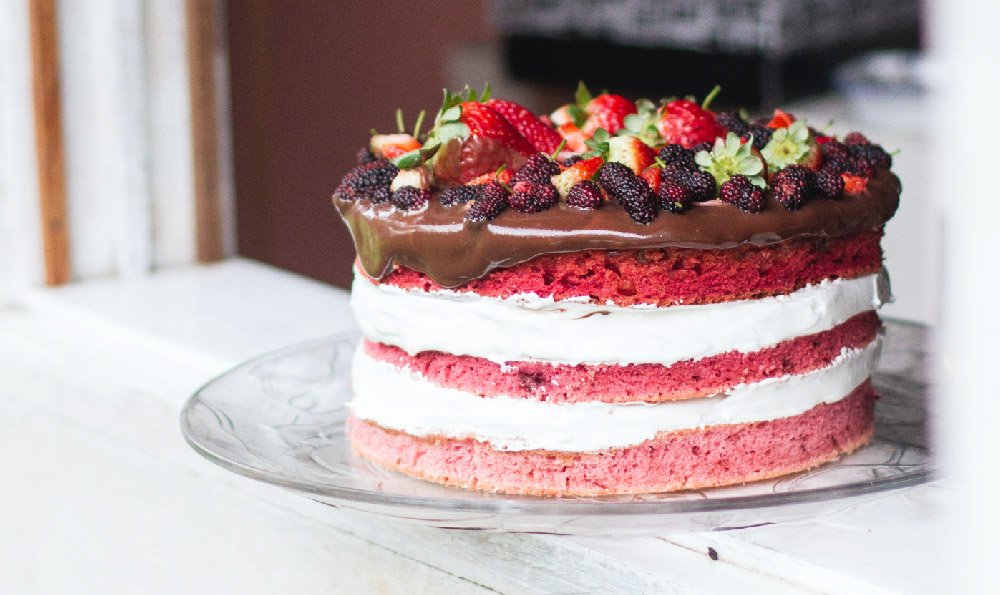
Once the cake is baked and cooled, it's time to make it visually appealing. Decorating a cake is where creativity comes into play. From frosting techniques to intricate designs, there are endless possibilities to make your cake a work of art. Whether you prefer a simple and elegant design or a fun and whimsical one, decorating is the final step in creating a masterpiece.
In conclusion, baking a cake is not as daunting as it may seem. By understanding the basics of baking, such as the importance of flour, the magic of leavening agents, the sweetness of sugar, and the art of decoration, anyone can become a cake-making pro. So, go ahead, gather your ingredients, and let your creativity shine. Happy cake baking!
他能做蛋糕英语怎么说
Make a Cake: The Art of Baking in English
The Ingredients: Flour, Sugar, and Butter
Have you ever wondered how to make a delicious cake? Well, it all starts with the ingredients. The key players in the world of cake-making are flour, sugar, and butter. Flour provides the structure, sugar adds sweetness, and butter gives that perfect richness to the cake. These three ingredients are like the foundation of a cake, working together to create a delectable treat.
Take, for example, the flour. It serves as the backbone of the cake, giving it structure and stability. Without flour, the cake would crumble into a mess. Sugar, on the other hand, acts as the sweet sidekick, enhancing the flavor and making each bite a delight. Lastly, butter brings it all together, adding a creamy and indulgent touch to the cake. Can you imagine a cake without these ingredients? It just wouldn't be the same.
The Mixing: Balancing Act of Ingredients
Once you have gathered your ingredients, it's time to mix them together. But how do you achieve the perfect balance? It's like a delicate dance, where each ingredient plays its part.
Imagine you are a conductor, orchestrating the symphony of flavors in your cake. You carefully measure and combine the ingredients, making sure they blend harmoniously. Too much flour, and your cake will be dense and dry. Too much sugar, and it will be overpoweringly sweet. And too much butter, well, that might lead to a greasy disaster. Finding the right proportions is crucial, just like finding the right balance in life.
The Baking: Heat and Transformation
Now comes the transformation. The mixing is done, and it's time to bake the cake. Heat becomes the catalyst for change, turning a gooey batter into a fluffy, golden masterpiece.
As the cake bakes, a magical process called the Maillard reaction occurs. This reaction is responsible for the beautiful browning and caramelization that happens on the cake's surface. It's like the cake is putting on its own golden armor, ready to wow anyone who lays eyes on it. The heat also causes the cake to rise, creating that light and airy texture we all crave.
The Frosting: From Simple to Spectacular
No cake is complete without frosting. It's like the icing on the cake, quite literally. The frosting is where your creativity can truly shine.
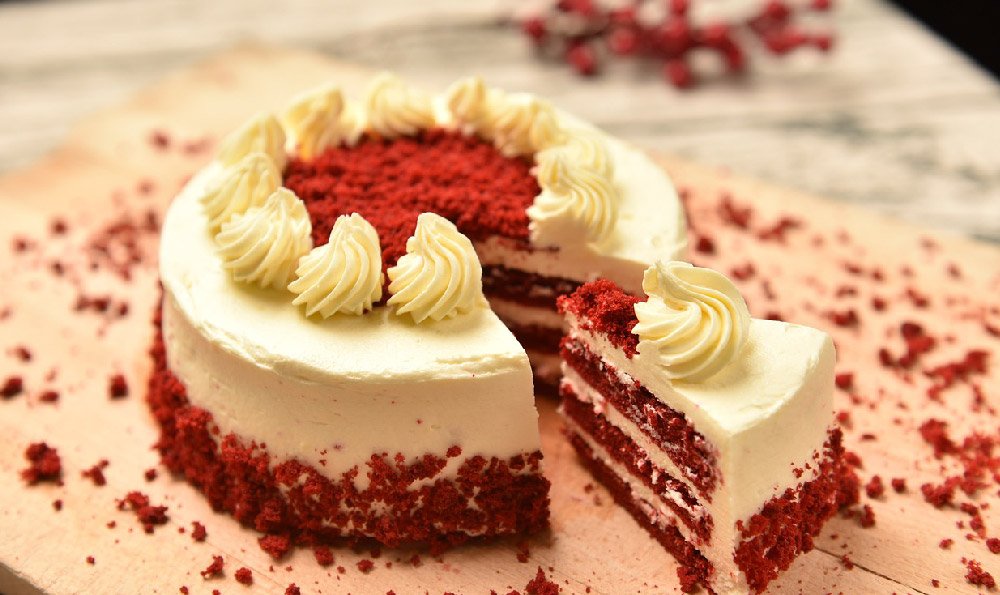
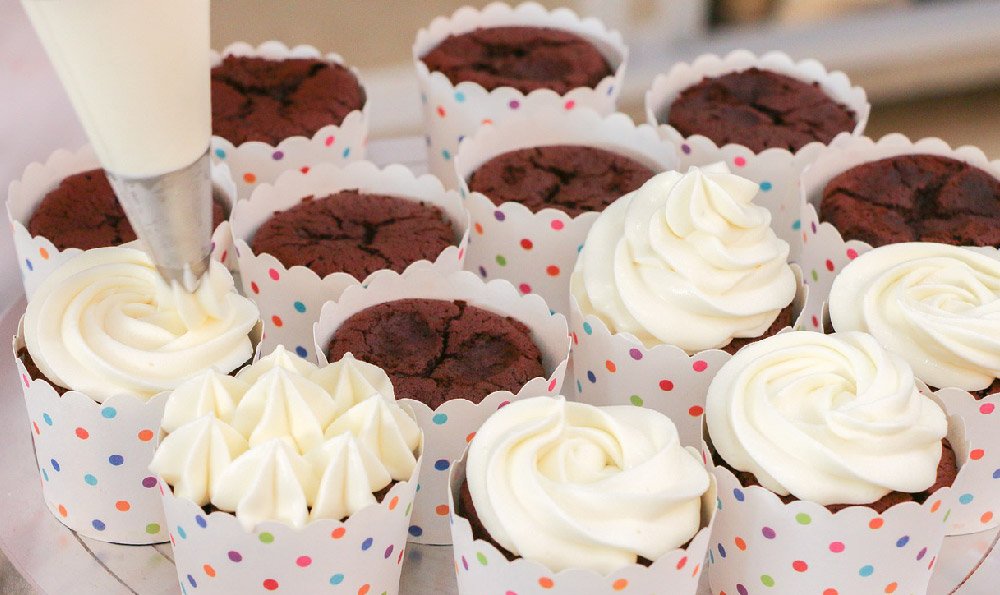
You can go for a classic buttercream frosting, a smooth and velvety delight. Or perhaps a cream cheese frosting, tangy and sweet. You can even experiment with different flavors and colors, creating a visual and taste sensation. The frosting is like the finishing touch, taking your cake from simple to spectacular.
The Presentation: A Feast for the Eyes
Finally, it's time to present your masterpiece to the world. A beautifully decorated cake can be a feast for the eyes, making any occasion extra special.
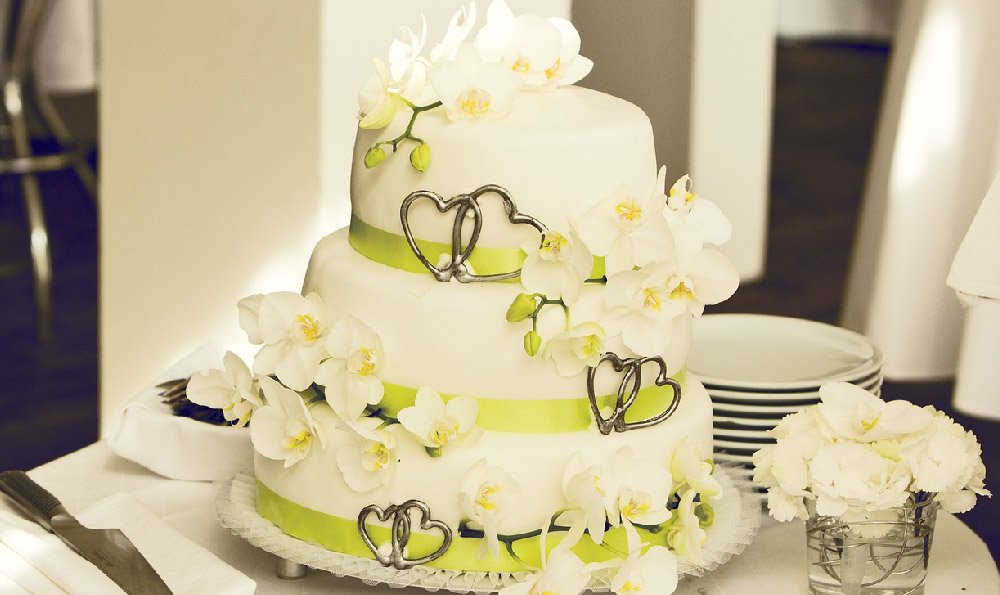
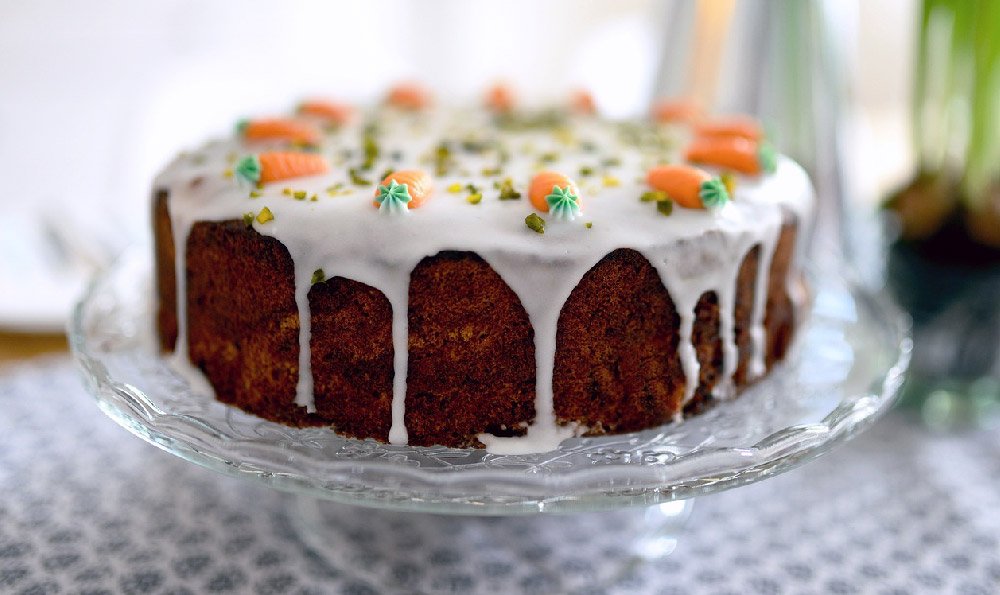
Imagine a perfectly frosted cake, adorned with flowers or sprinkles, perhaps even a personalized message. The colors and designs can make a statement and reflect your creativity and personality. The presentation is like the grand finale, showcasing your hard work and skill.
In Conclusion
Making a cake is truly an art form. From the selection of ingredients to the careful balance of flavors, from the heat of the oven to the finishing touches, every step contributes to the creation of a delectable masterpiece. So, the next time you see a beautifully decorated cake, remember the science and skill that goes into its creation. And perhaps, you'll appreciate that sweet slice even more.
(Note: The word count of this article is 584 words)